Pre-Seed vs Seed vs Series A: What Investors Expect at Each Stage

One of the most common fundraising mistakes is approaching investors at the wrong stage. A founder may call a round “Seed” because the company already raised some money, or “Series A” because they want to raise $5 million. But the stage is better defined by what the startup has already proven, not simply by the […]
Cold Emailing Investors: Templates and Tactics That Get Replies

Cold emailing investors can work, but only when the message is relevant, easy to understand, and quick to read. The goal of your first email is not to explain the entire company. It is to make the investor think: This fits what I invest in. I should take a closer look. A strong investor email […]
How Much Should You Raise? A Founder Guide to Round Size
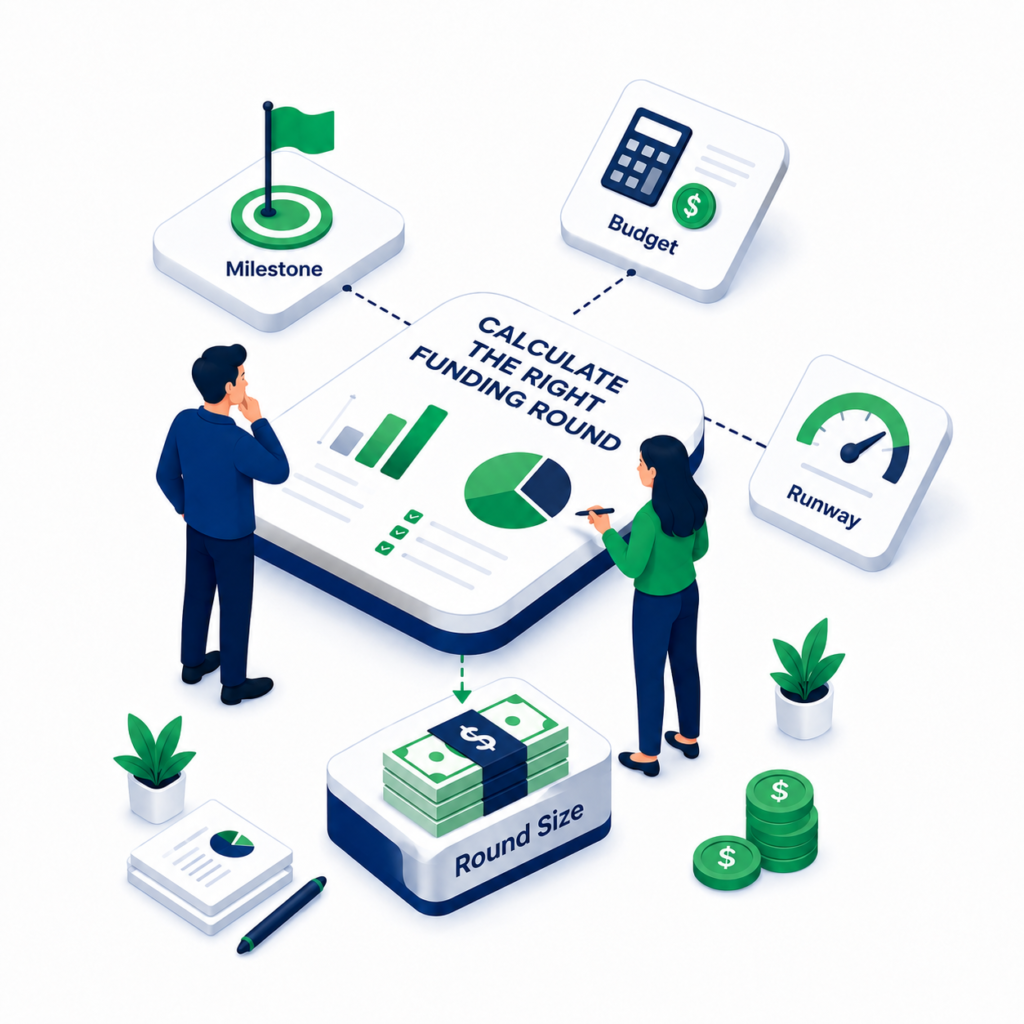
One of the most common fundraising questions is: “How much should we raise?” The answer should not start with what similar startups raised or with the highest amount you think investors might accept. A better question is: How much capital do we need to reach the next milestone that makes the company meaningfully stronger? Your […]
SAFE vs Convertible Note vs Equity: Which Fits Your Round?
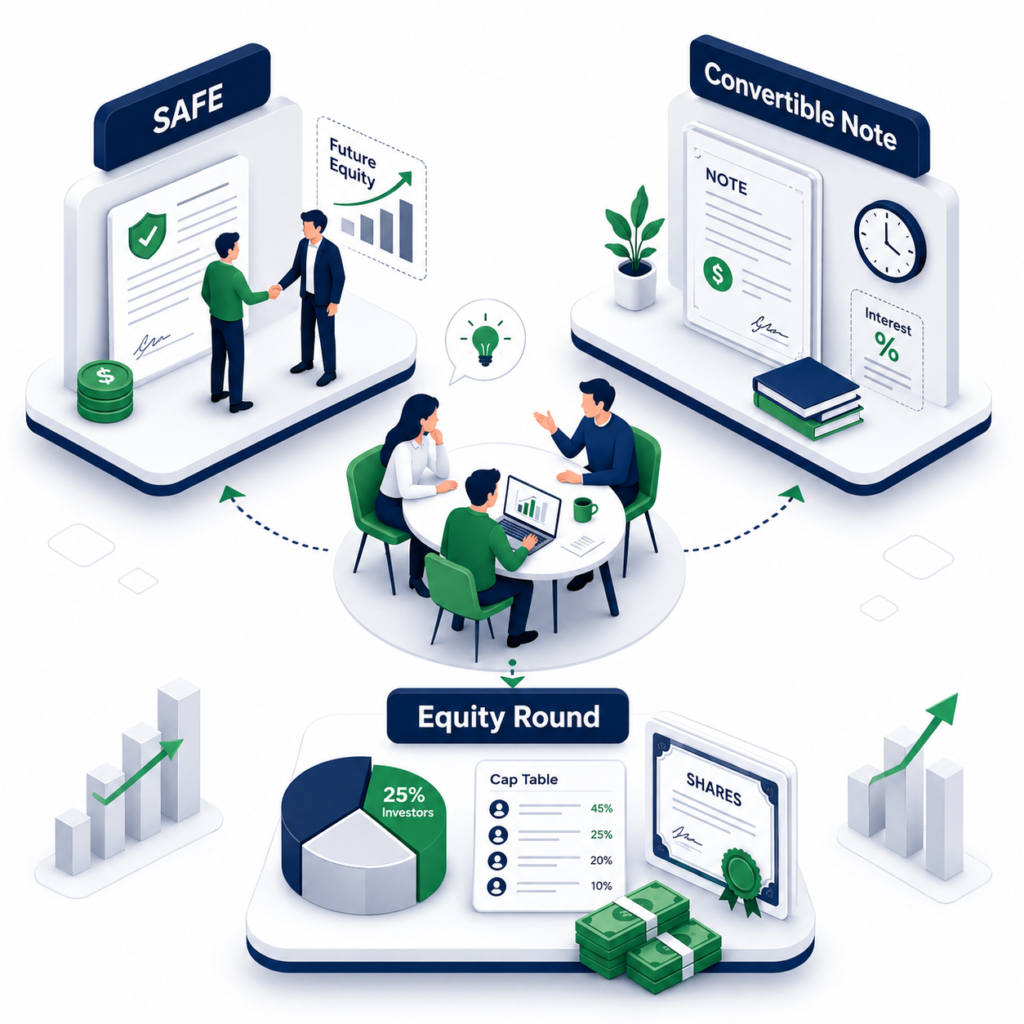
One of the first decisions founders face when fundraising is not simply how much to raise, but how to raise it. Should investors put money in through a SAFE, a convertible note, or a priced equity round? All three can fund a startup, but they work differently. A SAFE generally postpones the share-price calculation until […]
25 Common Reasons Investors Say No
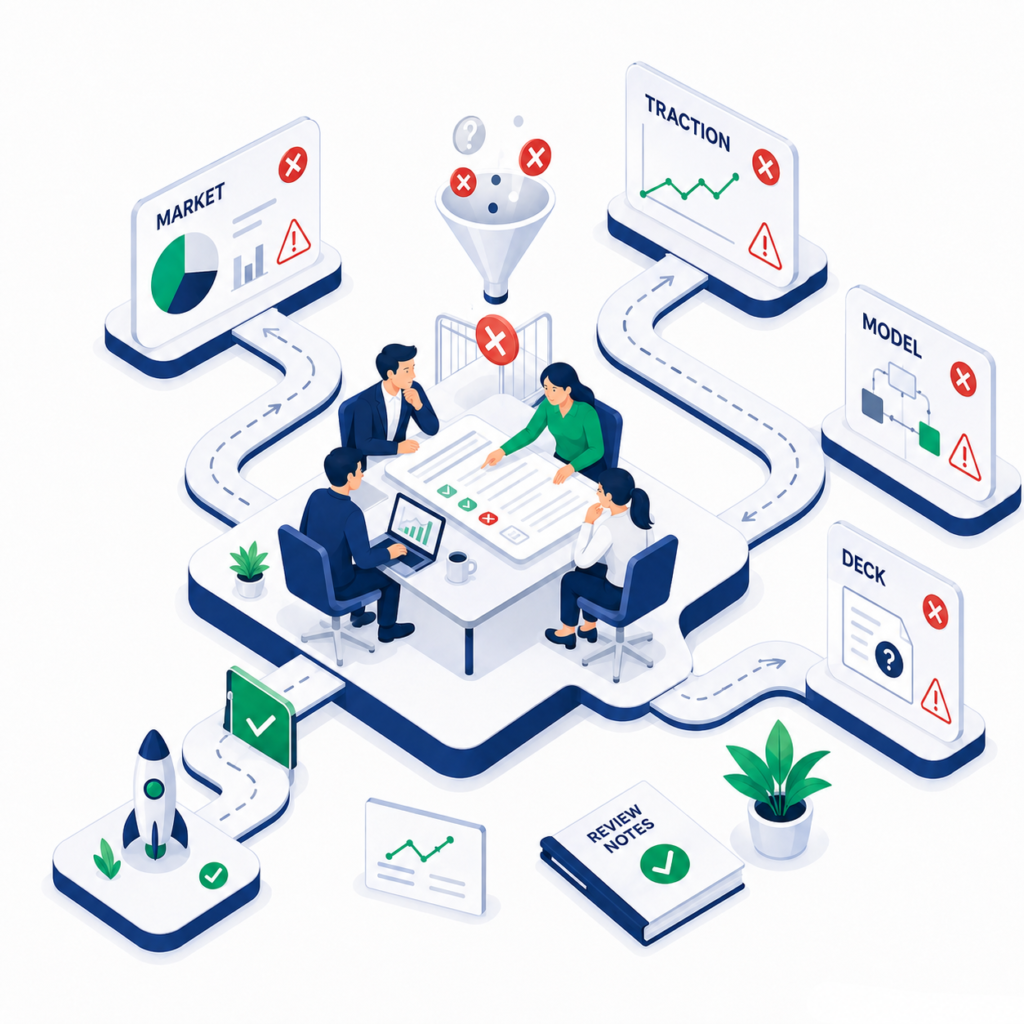
Investor rejection does not always mean your startup is a bad business. A fund may reject an opportunity because the stage is wrong, the check size does not fit, the market is too small for its strategy, or the investor already backs a competing company. But sometimes the rejection reveals a genuine weakness in the […]
Fundraising CRM: How to Track Investors and Follow Up Properly
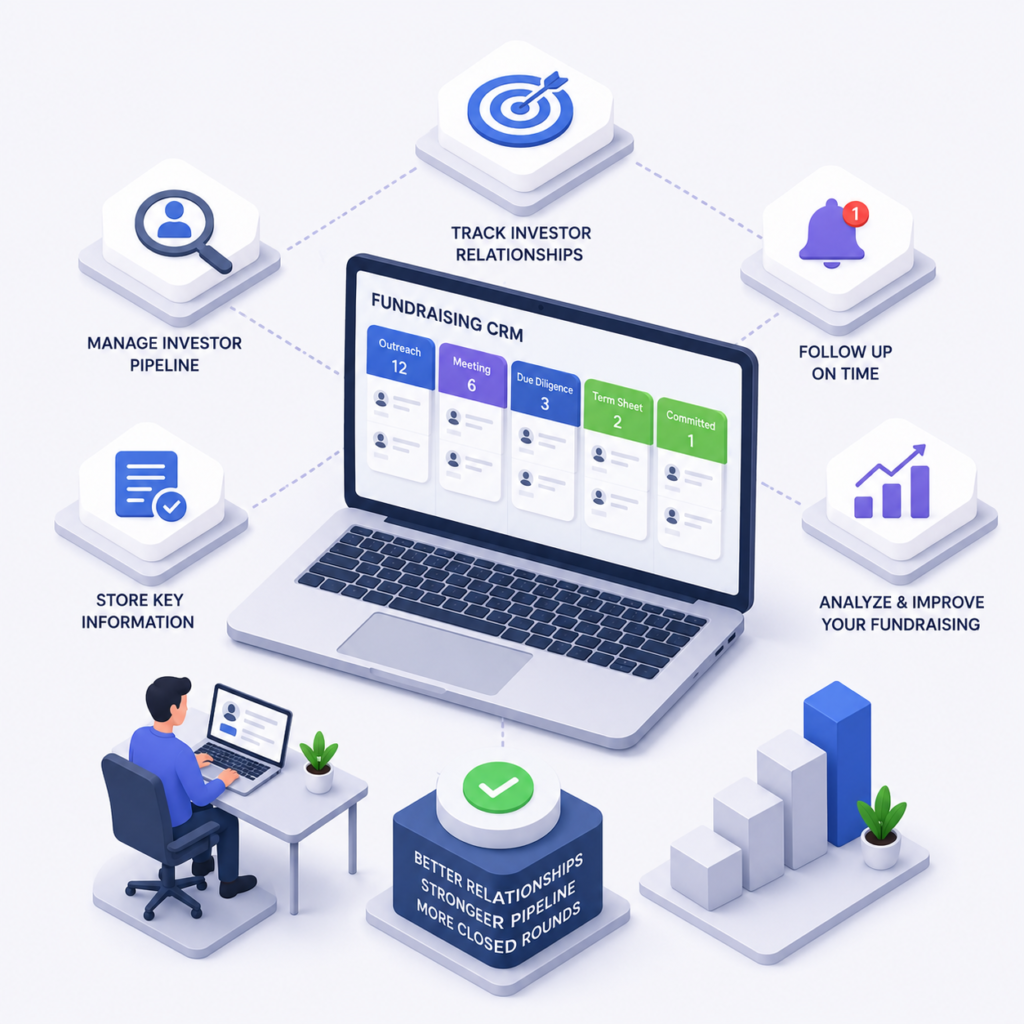
Fundraising becomes difficult to manage once investor conversations start multiplying. One investor requests the deck. Another asks for an introduction to a partner. A third wants updated traction figures. Several have not replied, and one promising conversation has been waiting for a follow-up for ten days. Without a clear system, founders lose momentum—not because investors […]
A Complete Guide to Raise from Pre-seed to Series A
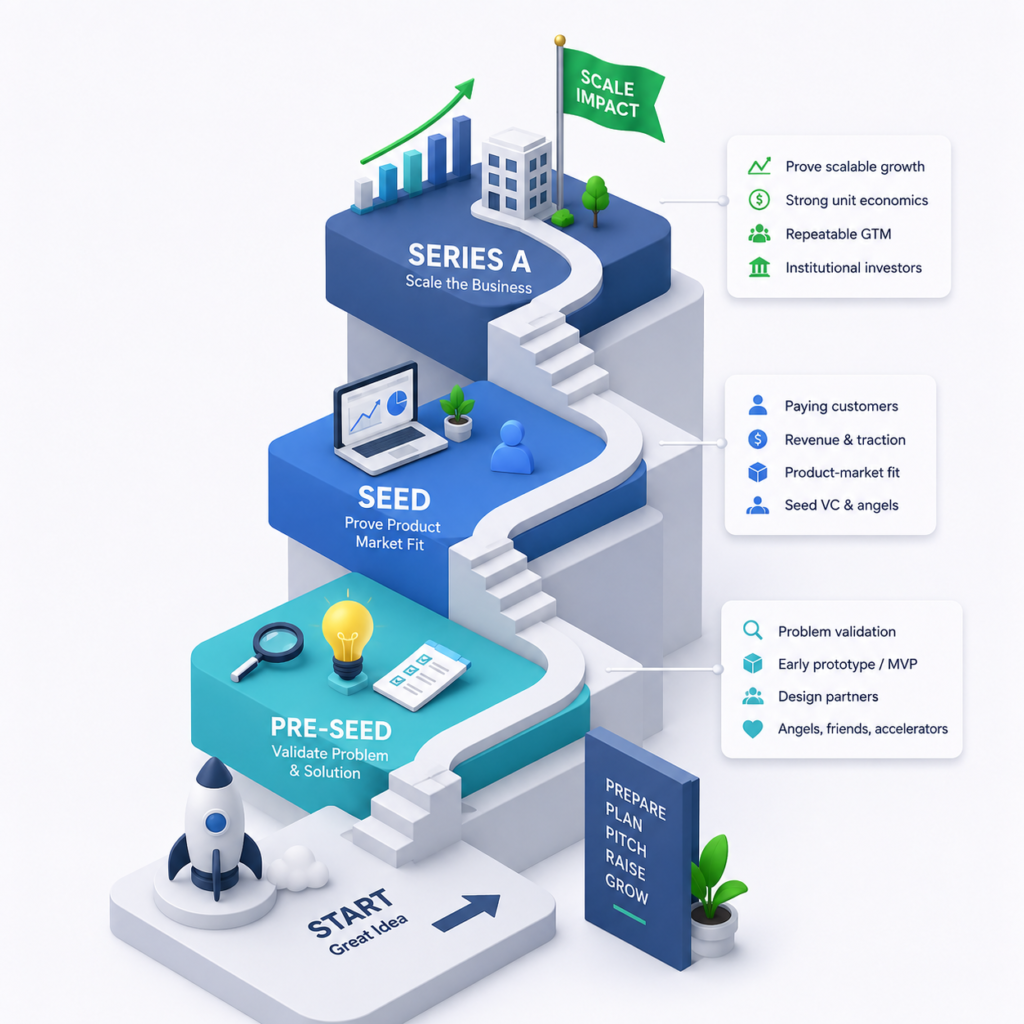
Startup fundraising is not one event. It is a process that begins with proving an idea, develops into proving customer demand, and eventually requires evidence that the business can scale. The venture market is active in 2026, but capital remains highly concentrated. KPMG reported $227.4 billion invested across 8,440 global venture deals in Q2 2026, […]
Startup Due Diligence Checklist: What Investors Review

An investor meeting tests whether your startup is interesting. Due diligence tests whether the story is accurate. Once an investor becomes seriously interested, they will examine your ownership, finances, customers, technology, contracts, team, and legal position. The purpose is not simply to find faults. It is to confirm the information presented during fundraising, identify material […]
Fundraising Timeline: How Long a Startup Raise Really Takes
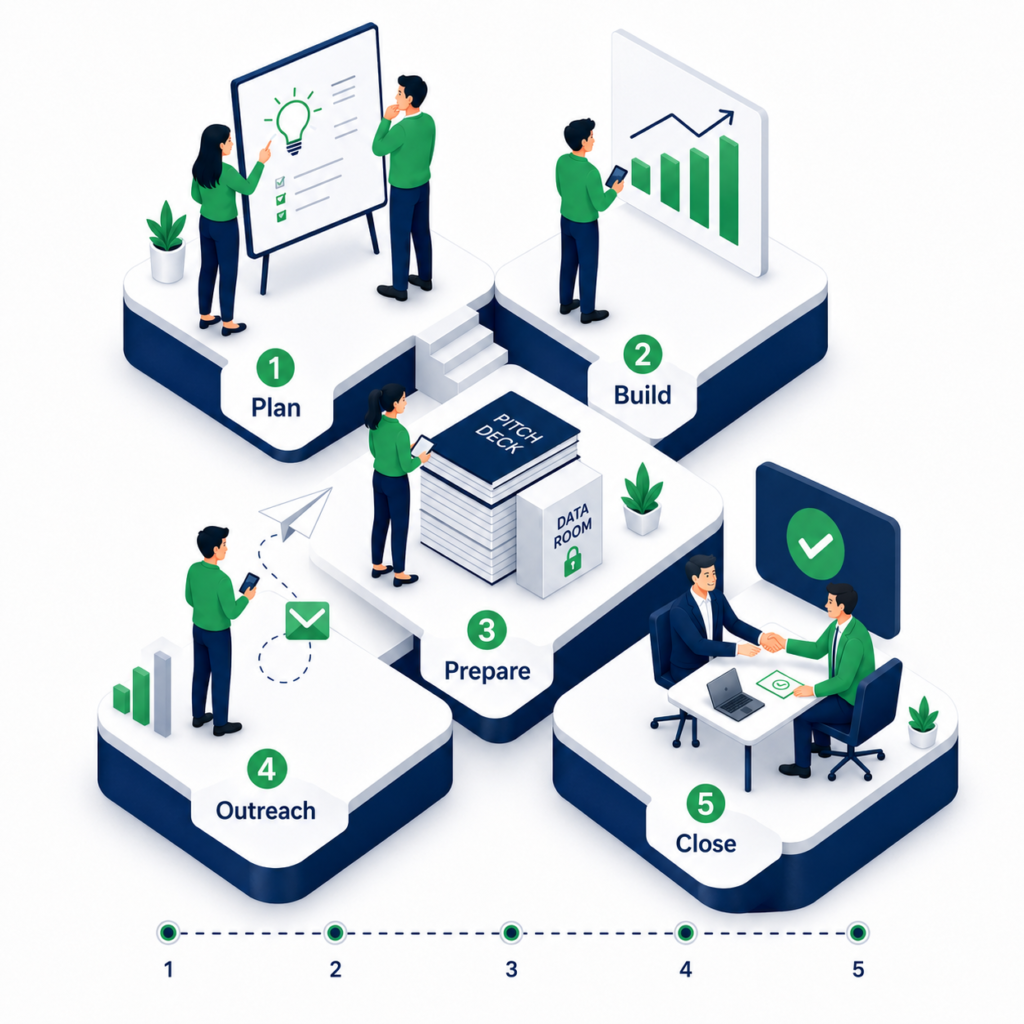
Fundraising should not begin when your startup is almost out of cash. A strong fundraising process usually starts months before the first investor email. Founders need time to improve traction, prepare the financial story, organise the data room, identify suitable investors, and build relationships before asking for capital. The purpose of a 12-month fundraising timeline […]
Investor Data Room: What to Include Before Due Diligence
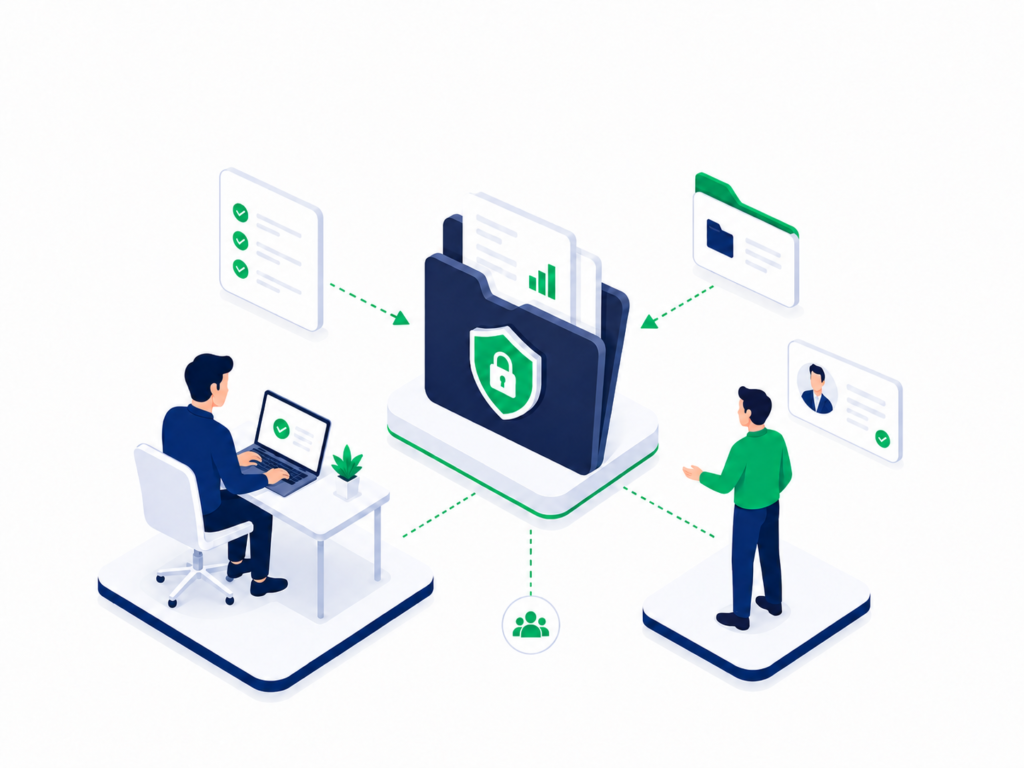
An investor data room is the evidence behind your pitch deck. Your deck explains why the company could become valuable. The data room helps investors confirm that your financials, ownership, customer claims, contracts, and intellectual property are accurate. A strong data room does not need hundreds of files. It needs the right documents, organized clearly […]