Fundraising Resources for Founders
Practical guides to help you prepare your fundraising materials, reach the right investors, manage investor conversations and close your round.
All Fundraising Guides
Choose a category to quickly find the fundraising content you need.
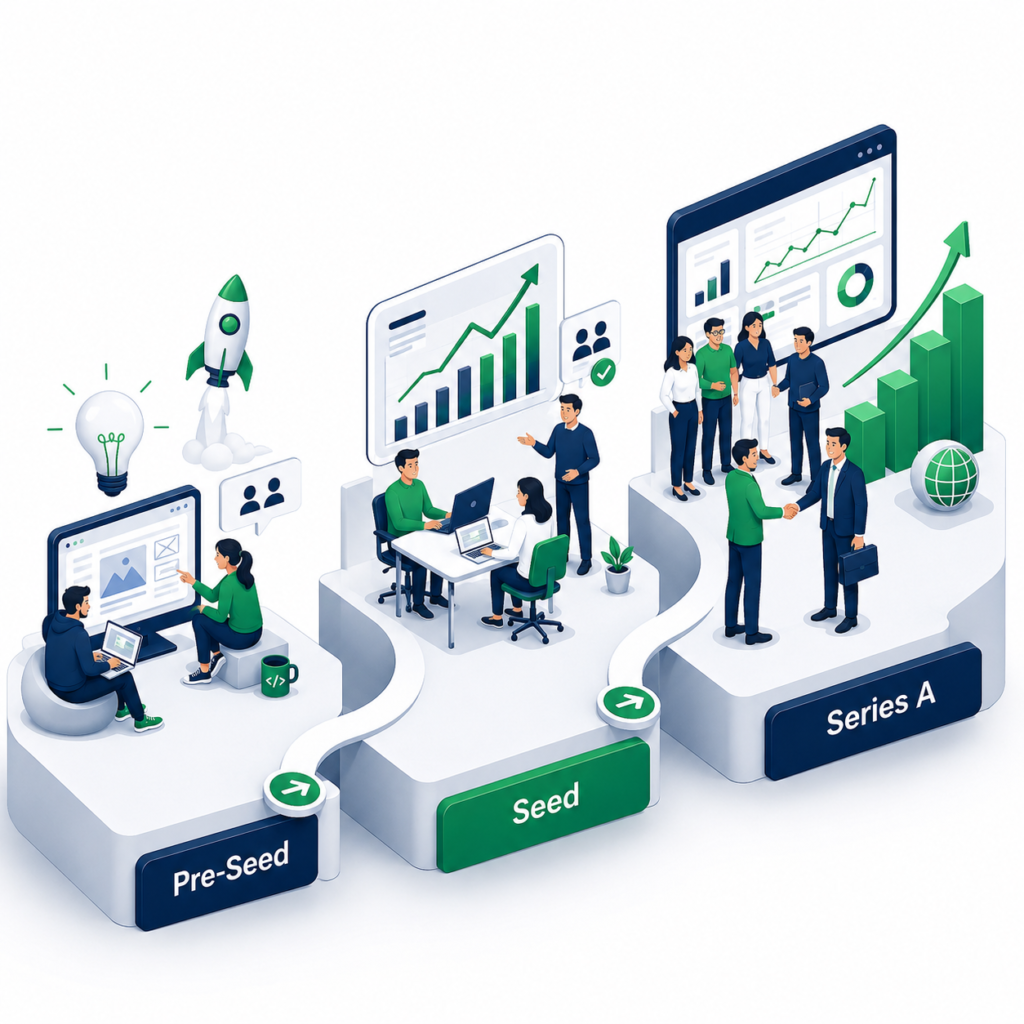
Pre-Seed vs Seed vs Series A: What Investors Expect at Each Stage
One of the most common fundraising mistakes is approaching investors at the wrong stage. A founder may call a round “Seed” because the company…
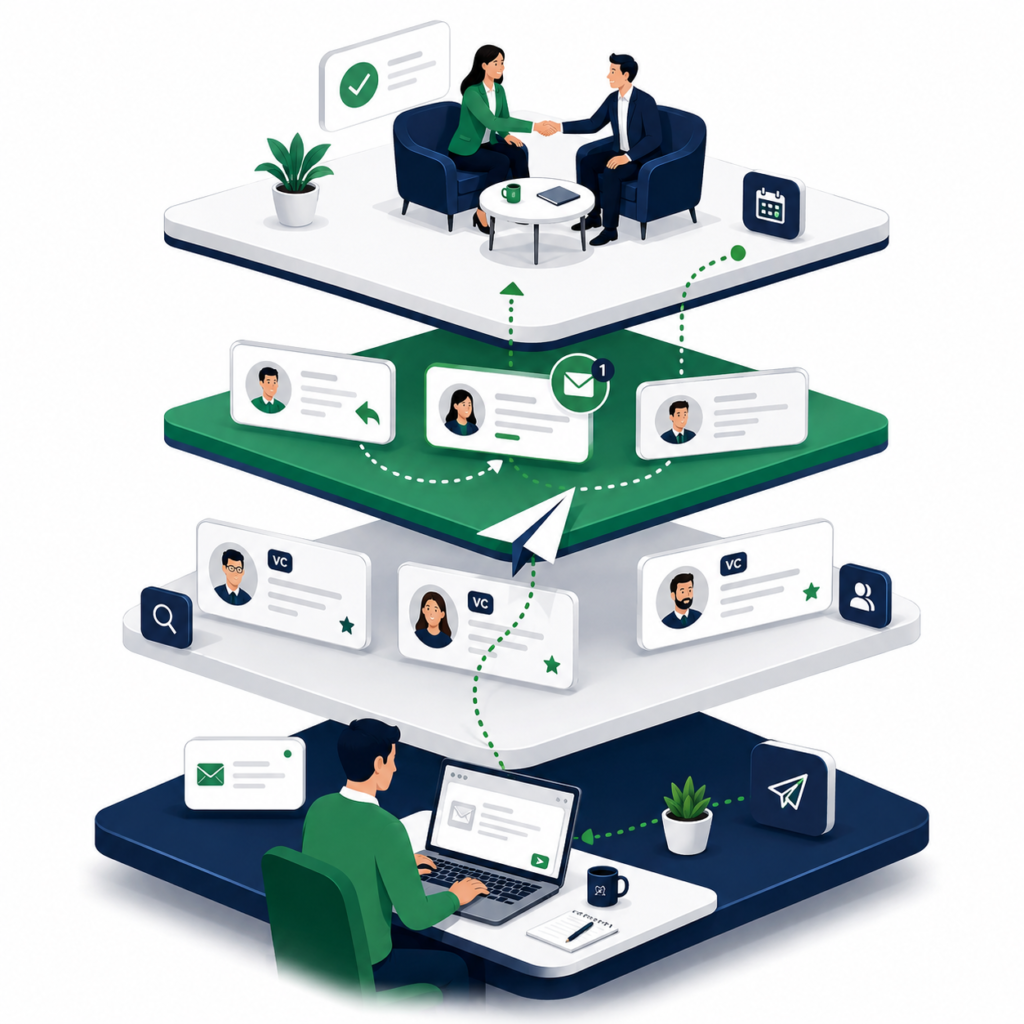
Cold Emailing Investors: Templates and Tactics That Get Replies
Cold emailing investors can work, but only when the message is relevant, easy to understand, and quick to read. The goal of your first…
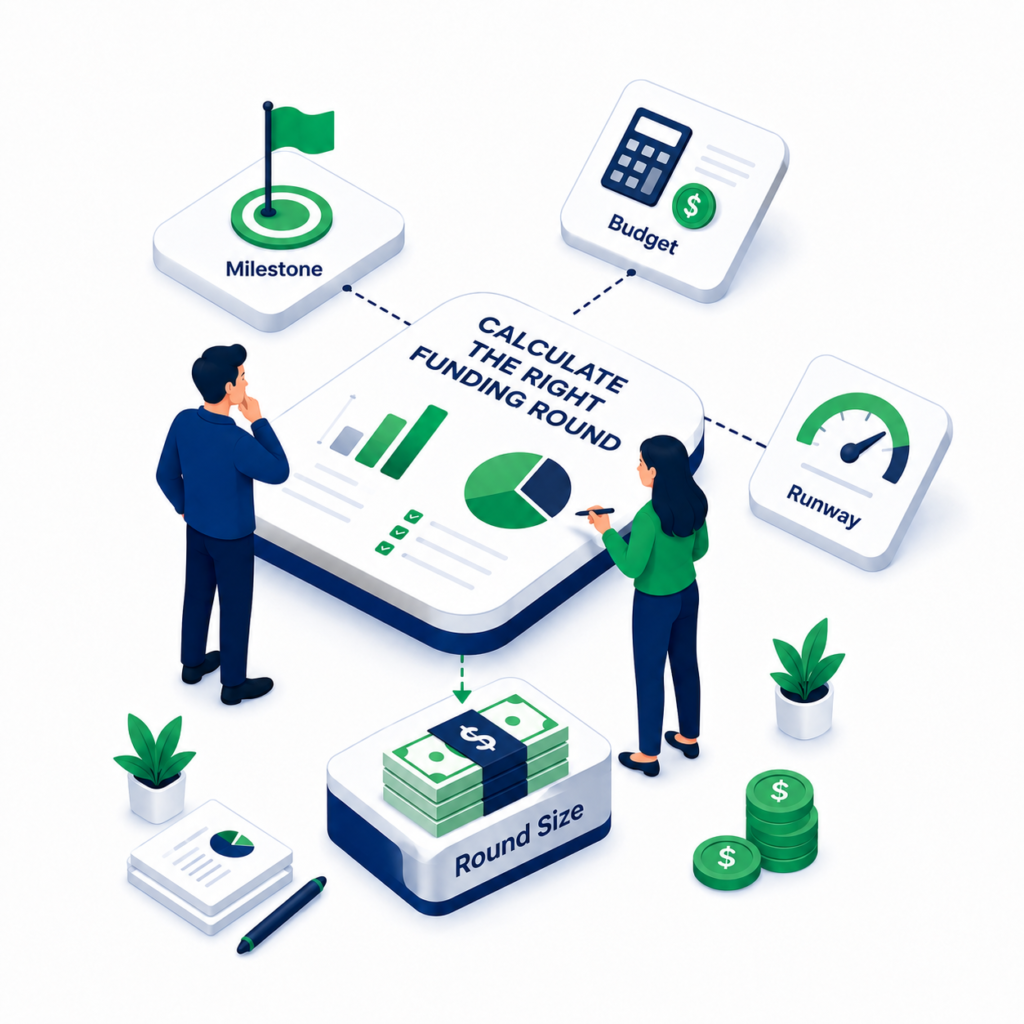
How Much Should You Raise? A Founder Guide to Round Size
One of the most common fundraising questions is: “How much should we raise?” The answer should not start with what similar startups raised or…
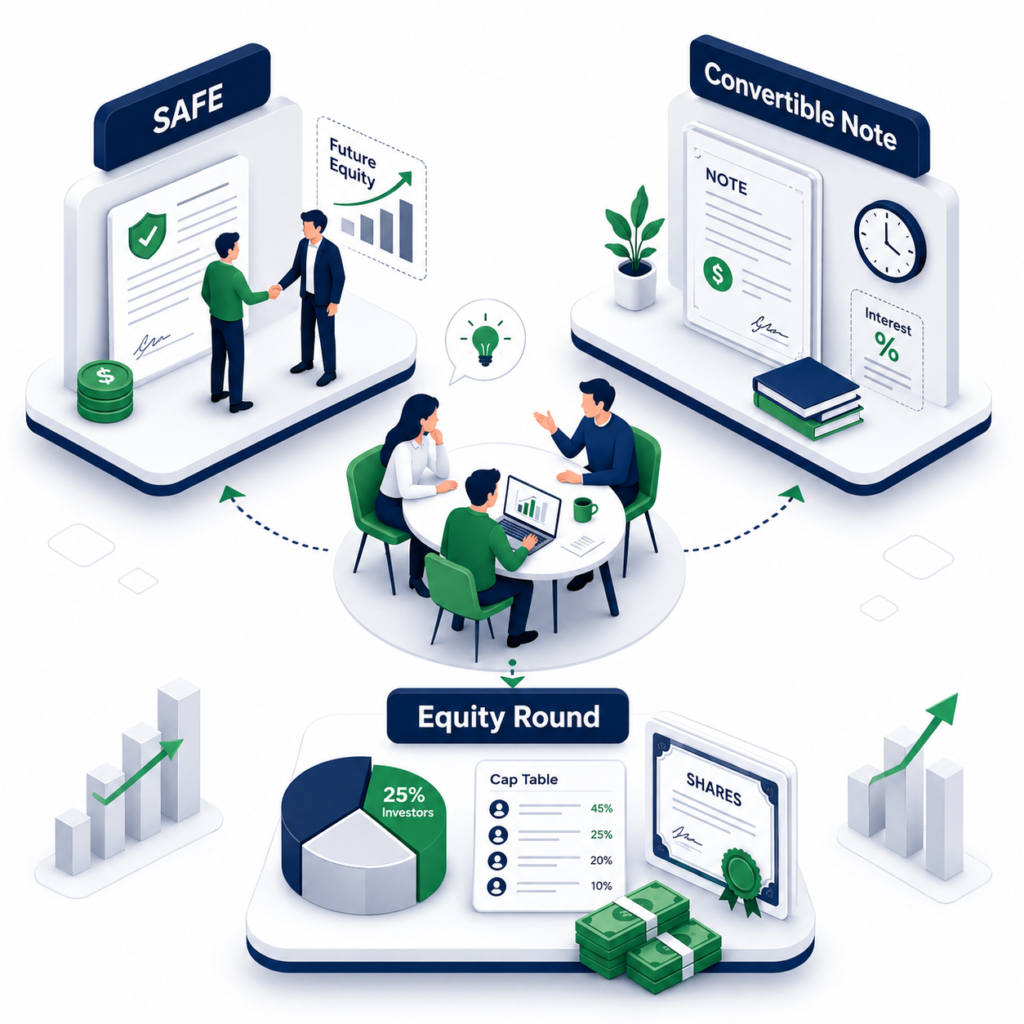
SAFE vs Convertible Note vs Equity: Which Fits Your Round?
One of the first decisions founders face when fundraising is not simply how much to raise, but how to raise it. Should investors put…
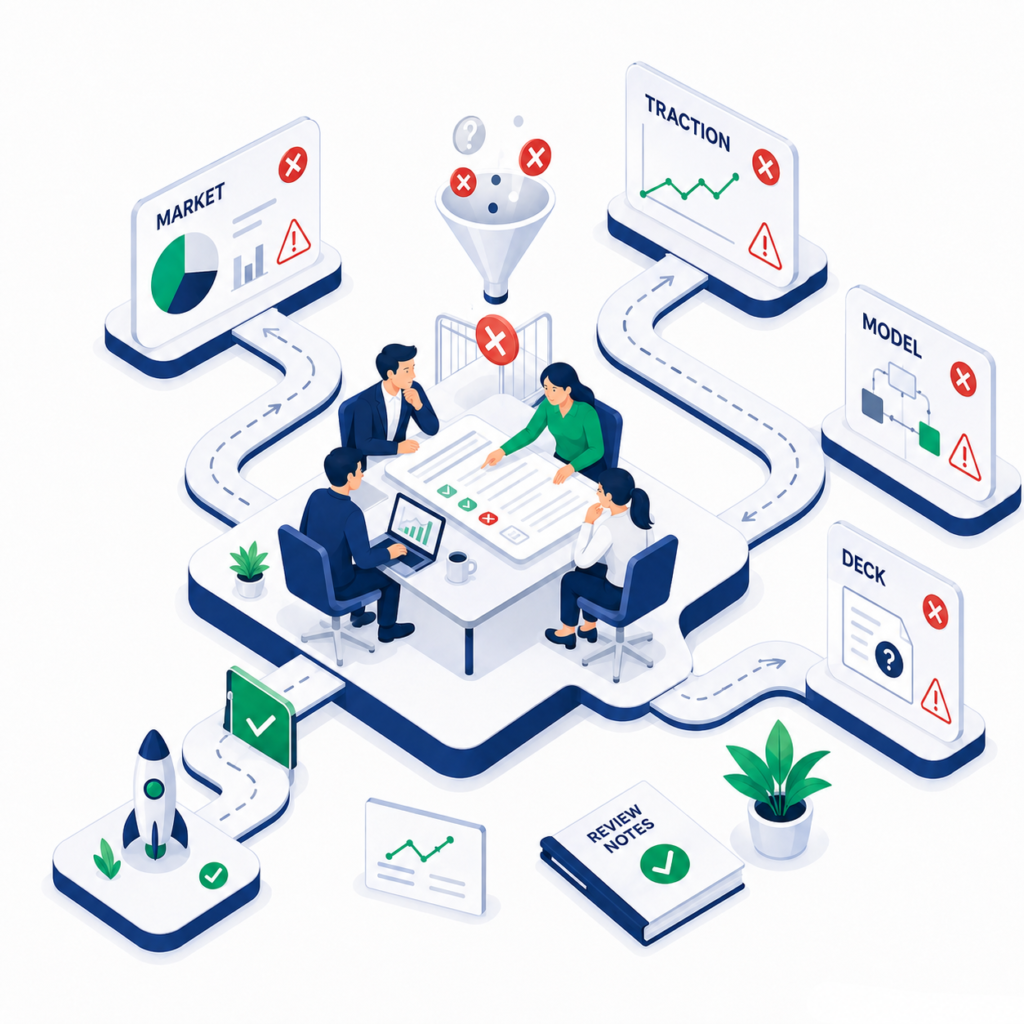
25 Common Reasons Investors Say No
Investor rejection does not always mean your startup is a bad business. A fund may reject an opportunity because the stage is wrong, the…
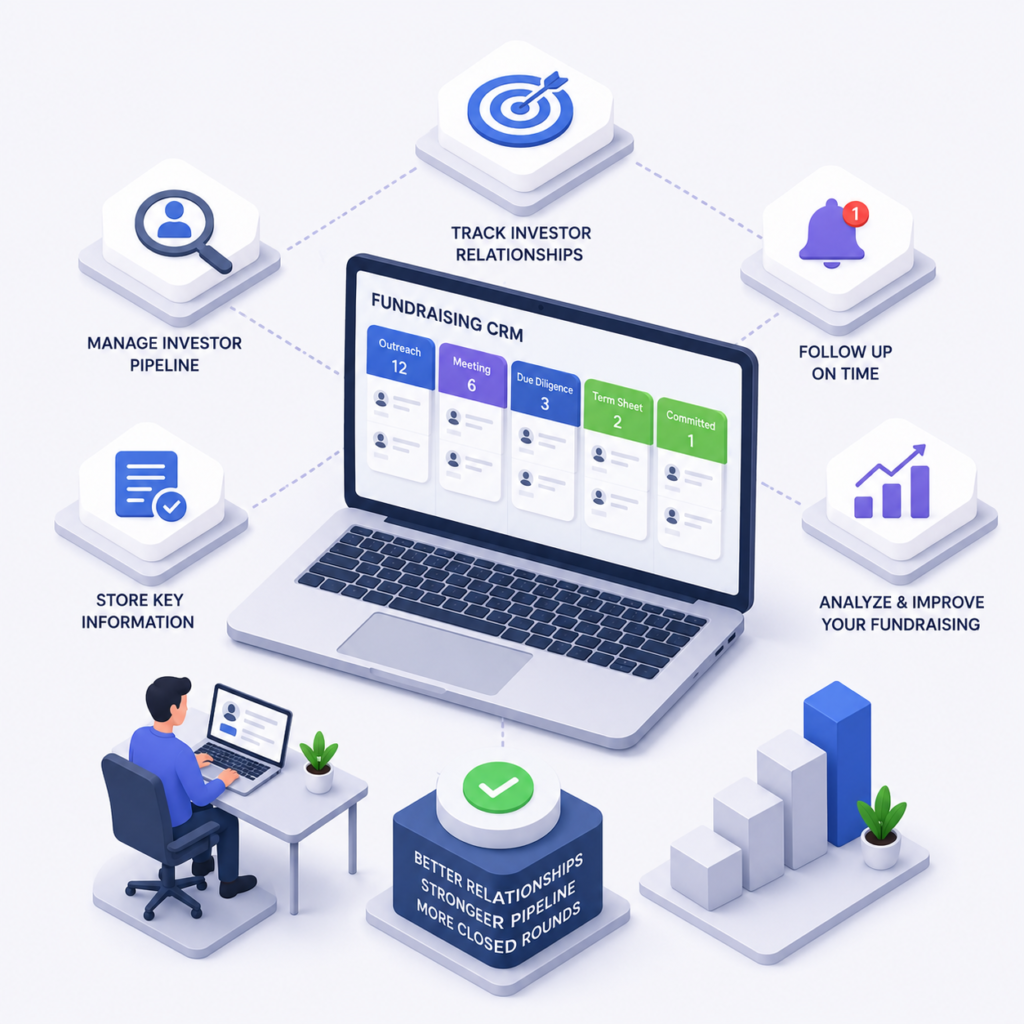
Fundraising CRM: How to Track Investors and Follow Up Properly
Fundraising becomes difficult to manage once investor conversations start multiplying. One investor requests the deck. Another asks for an introduction to a partner. A…
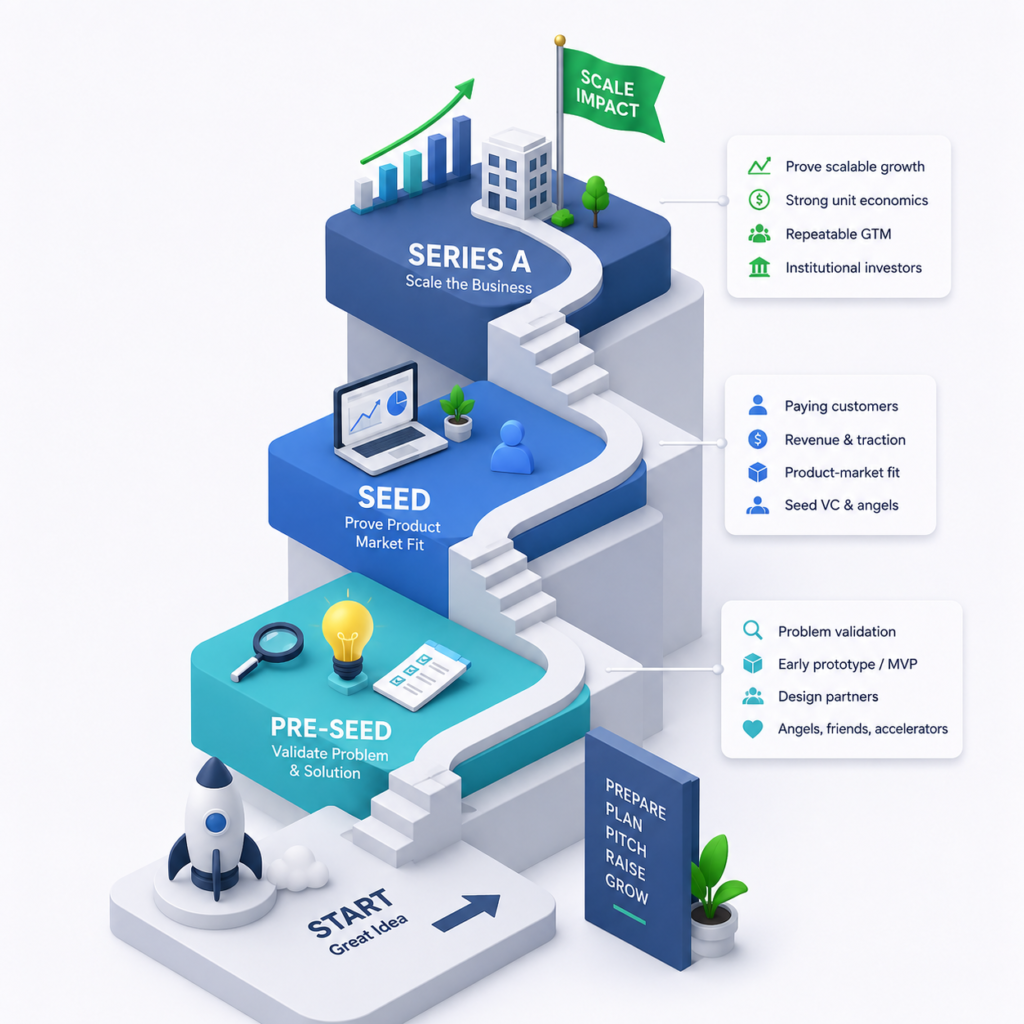
A Complete Guide to Raise from Pre-seed to Series A
Startup fundraising is not one event. It is a process that begins with proving an idea, develops into proving customer demand, and eventually requires…
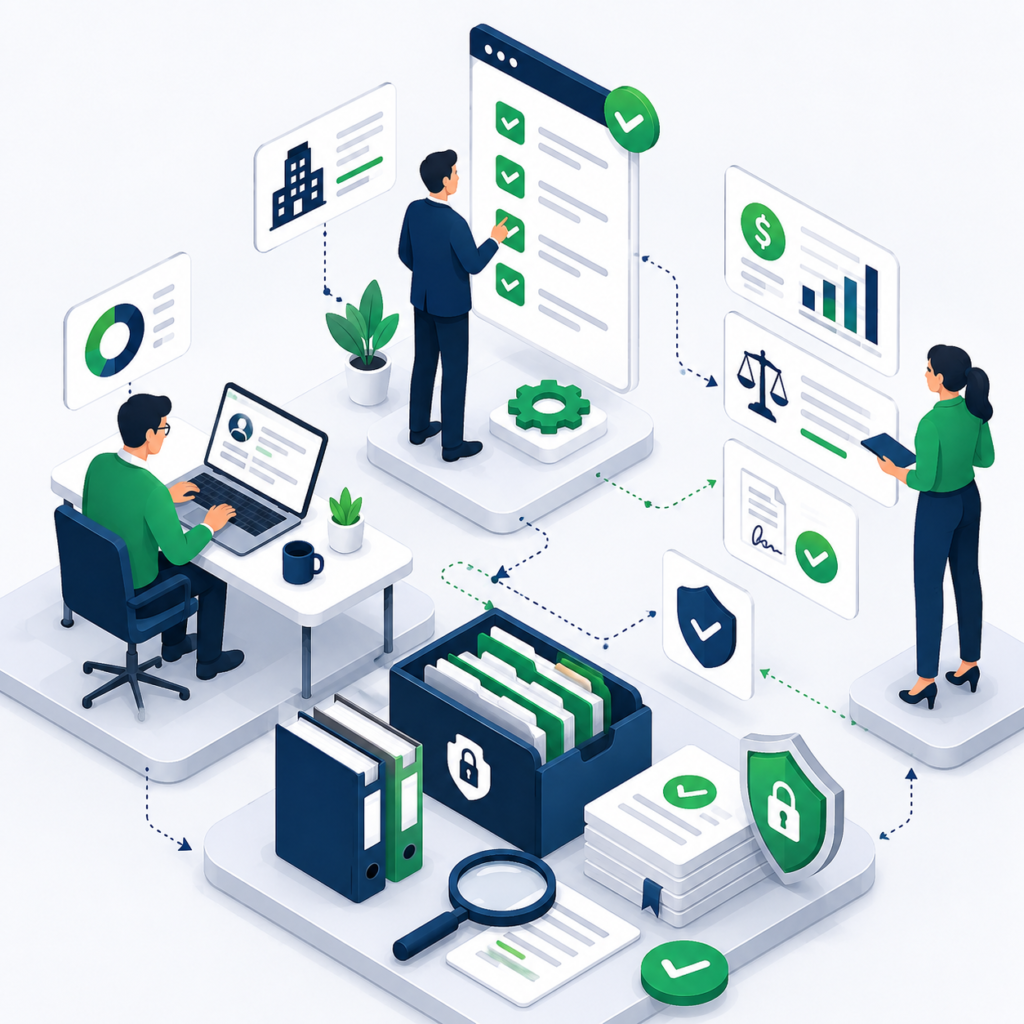
Startup Due Diligence Checklist: What Investors Review
An investor meeting tests whether your startup is interesting. Due diligence tests whether the story is accurate. Once an investor becomes seriously interested, they…
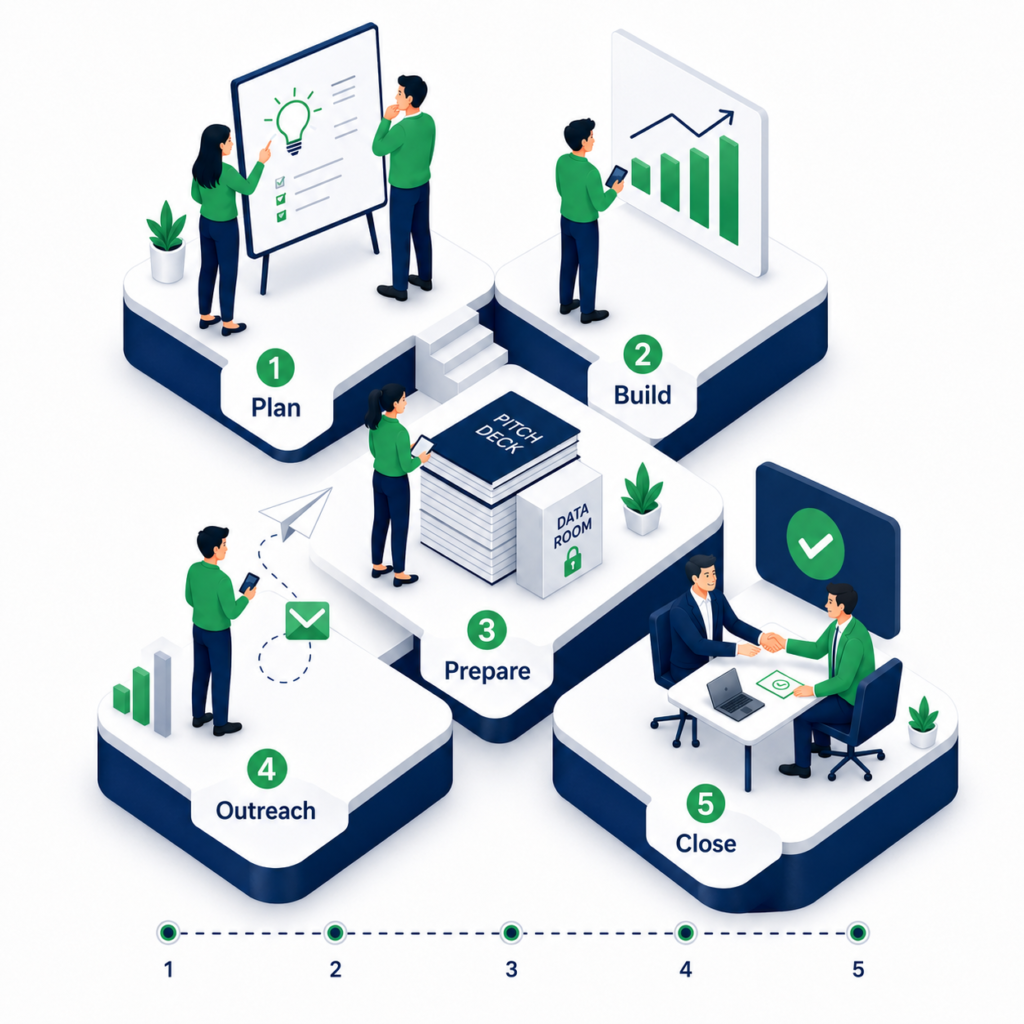
Fundraising Timeline: How Long a Startup Raise Really Takes
Fundraising should not begin when your startup is almost out of cash. A strong fundraising process usually starts months before the first investor email.…
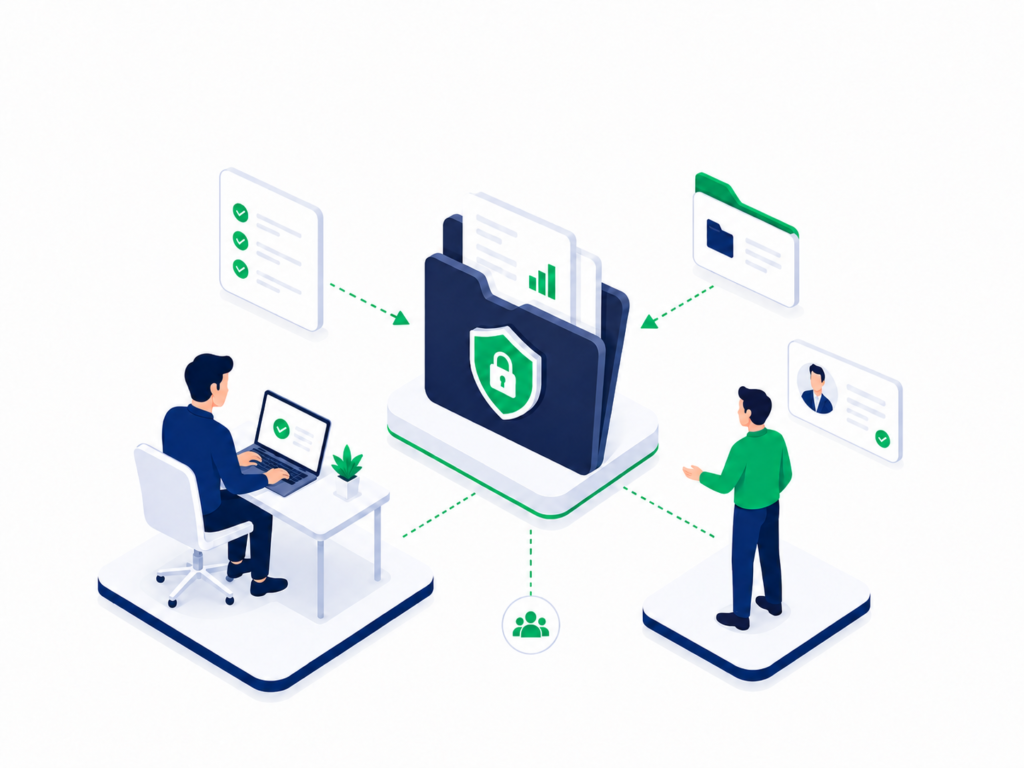
Investor Data Room: What to Include Before Due Diligence
An investor data room is the evidence behind your pitch deck. Your deck explains why the company could become valuable. The data room helps…
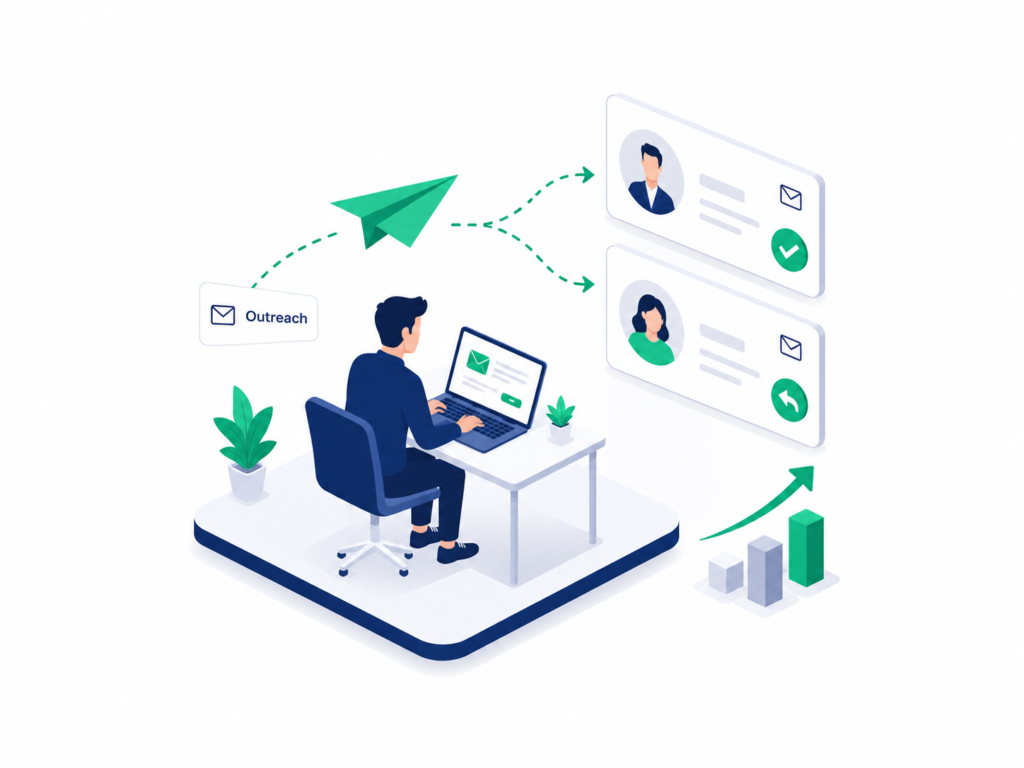
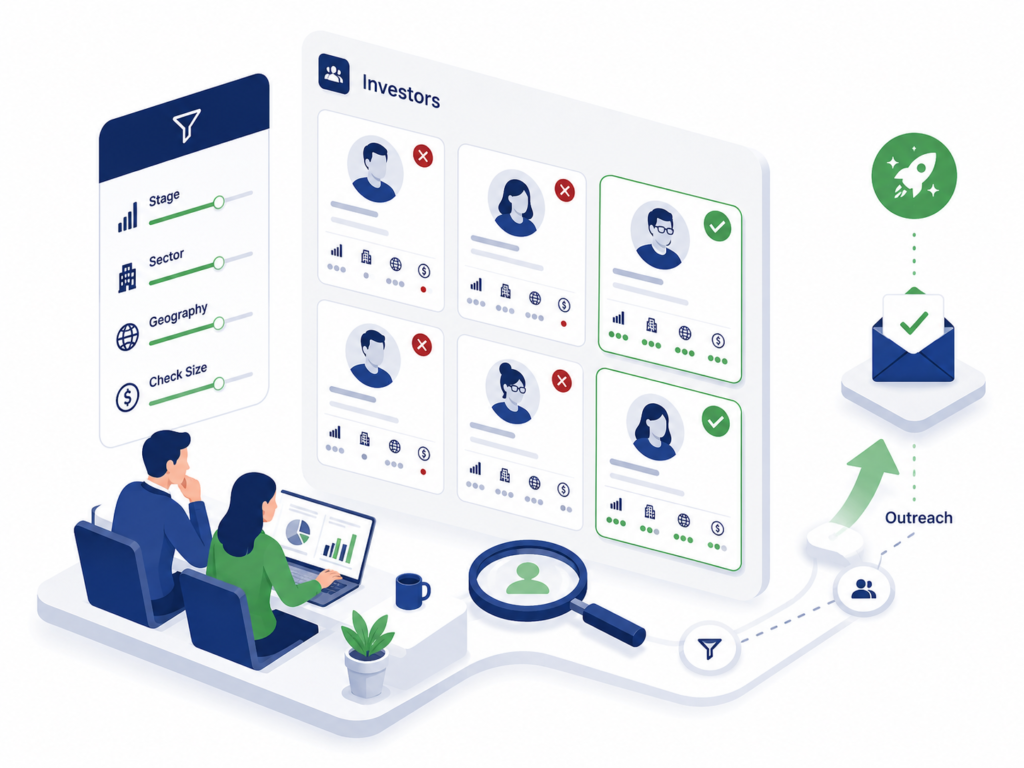
Investor Outreach: How to Reach the Right Investors and Get Replies
You have found an investor who appears to match your startup. They invest at your stage, understand your sector, write checks within your target…
Investor Outreach: How to Reach the Right Investors and Get Replies
Most founders do not struggle to find investor names. They struggle to find investors who are genuinely suitable for their company. A database may…
Common Startup Fundraising Mistakes That Weaken a Raise
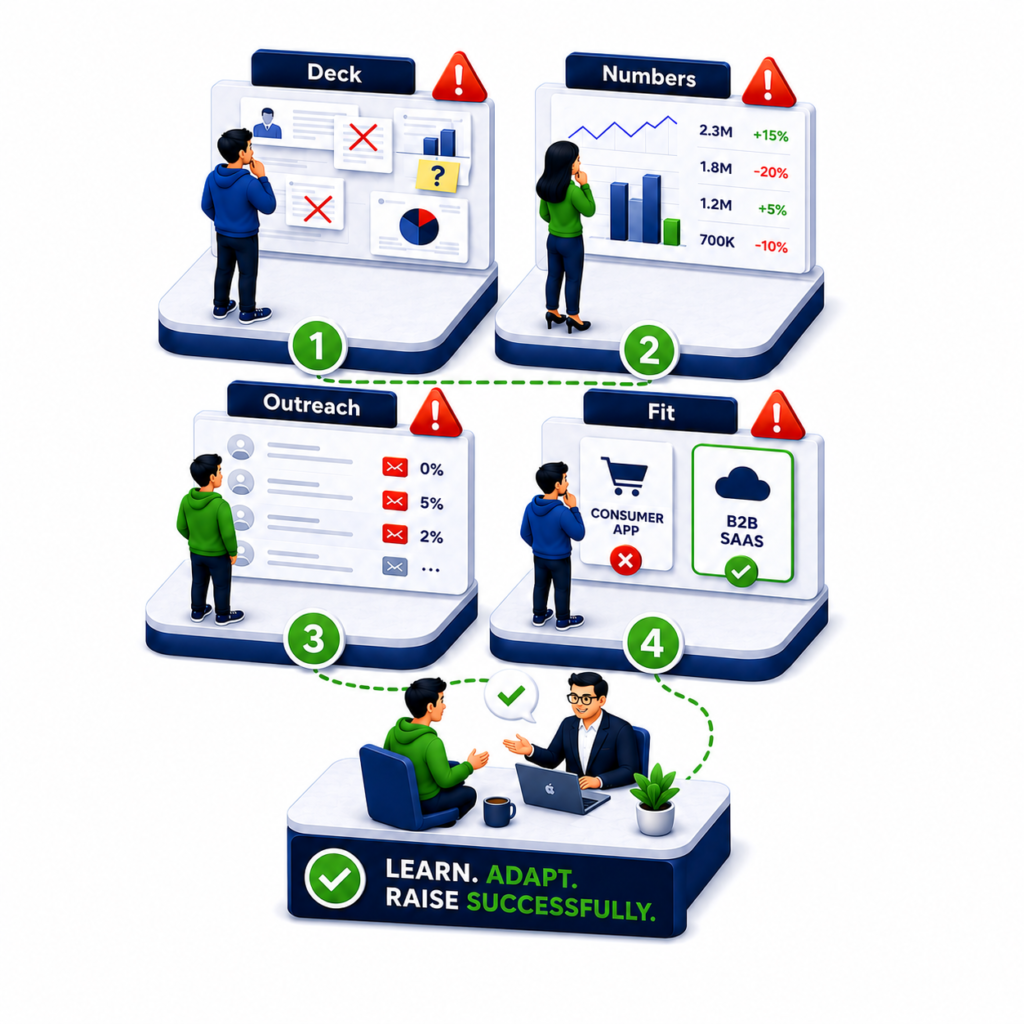
Fundraising rarely fails because of one disastrous investor meeting. More often, founders lose momentum through a series of smaller mistakes: approaching the wrong investors,…
What VCs are Looking for in Startups
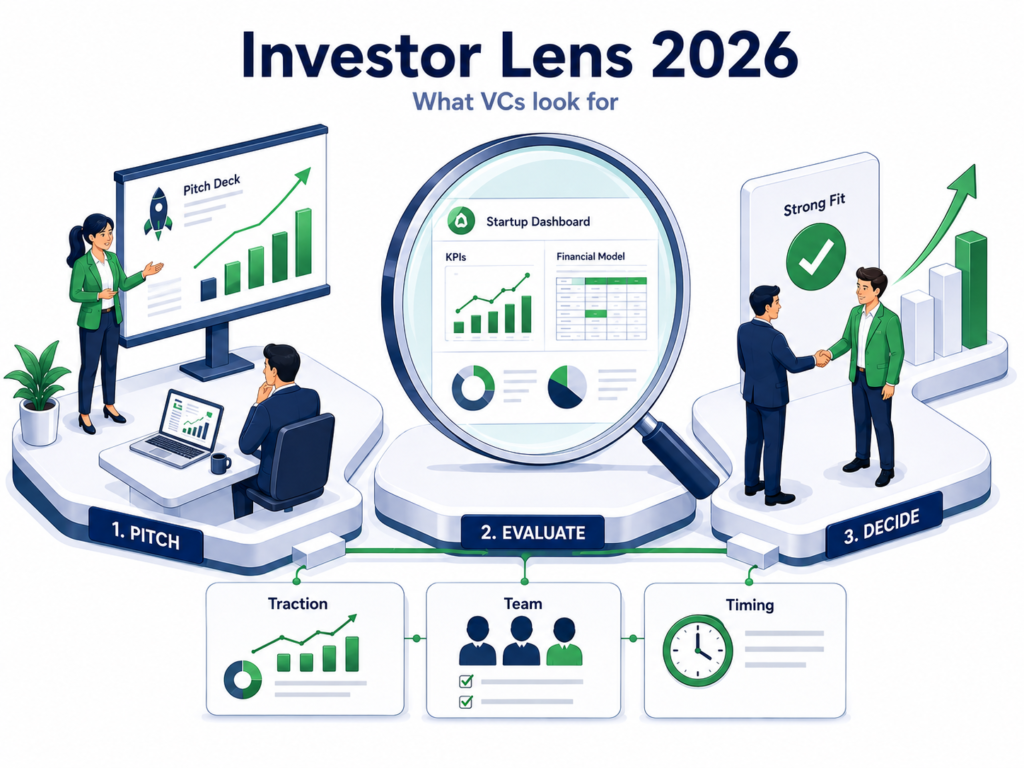
Fundraising in 2026 is not only about having a promising idea. Investors want to understand the business quickly, see evidence that customers care, and…
Financial Model Readiness: How to Create a Robust Model to Cover All Scenarios
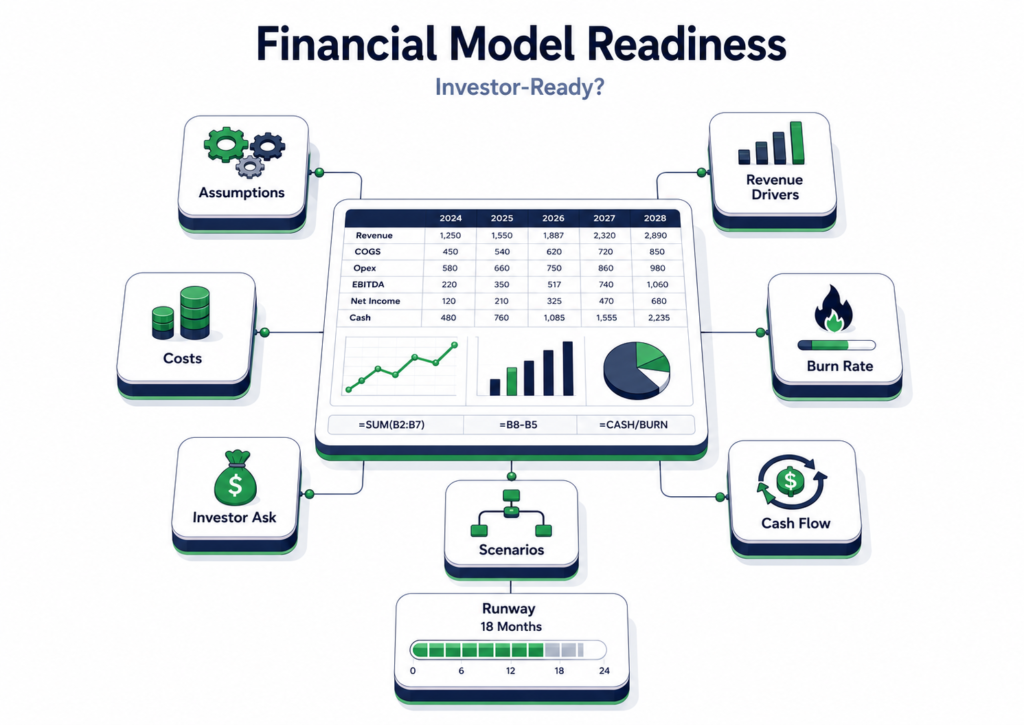
You have secured an investor meeting. Your pitch deck explains the opportunity, your traction is promising, and your fundraising ask appears clear. Then the…
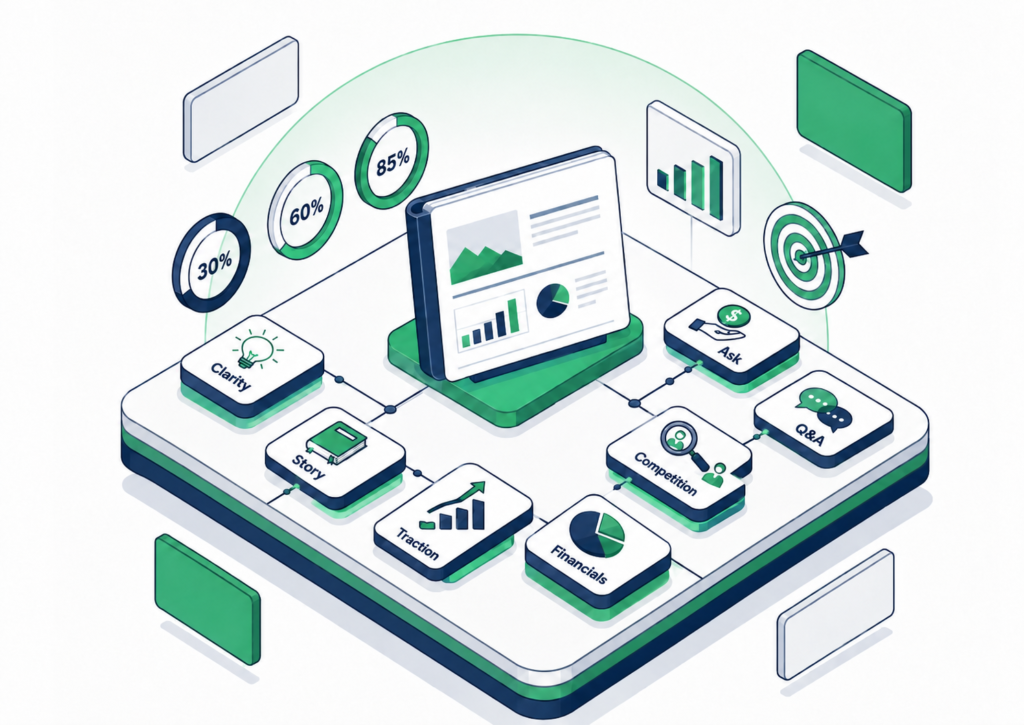
Pitch Deck Review: What Investors Expect Before a Meeting
You secured the investor meeting. Now you are looking at a pitch deck you have already edited countless times and asking: Is this actually…
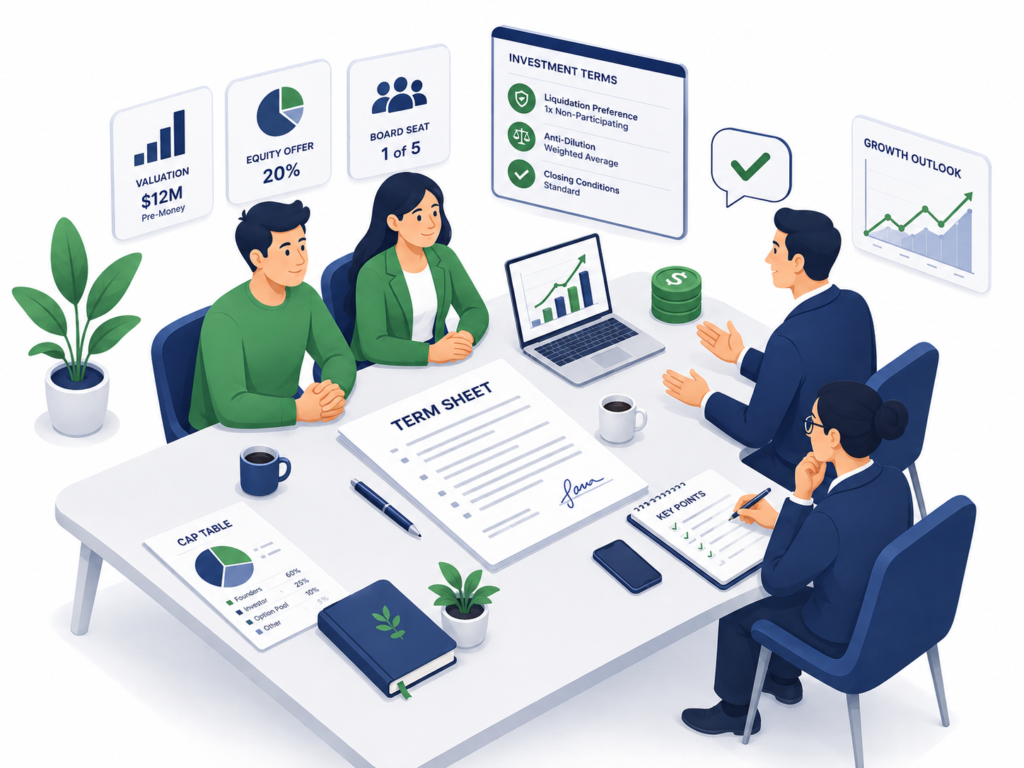
Startup Term Sheet: Key Terms Founders Must Understand
Receiving a term sheet is exciting. It means an investor is seriously considering your company. But it does not mean the negotiation is finished.…
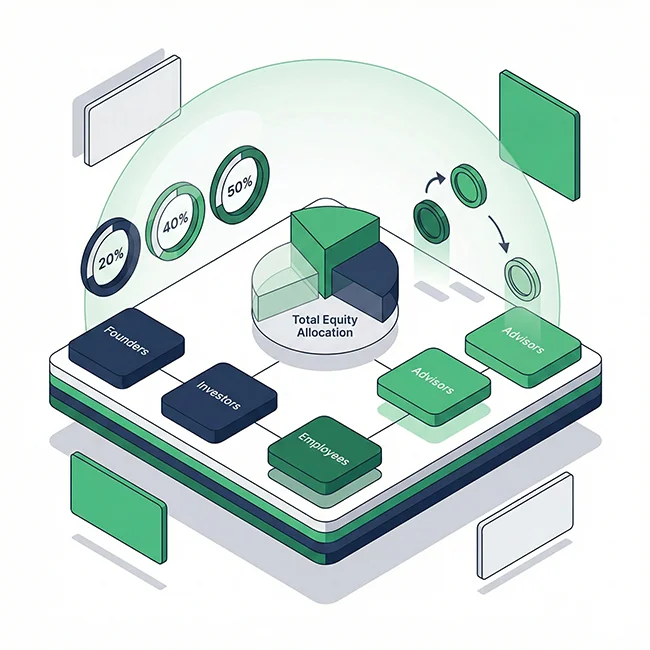
Cap Table Guide: Ownership, Dilution and Founder Equity
A cap table shows who owns your startup. It records the shares, options, convertible instruments, and ownership percentages held by founders, employees, and investors.…
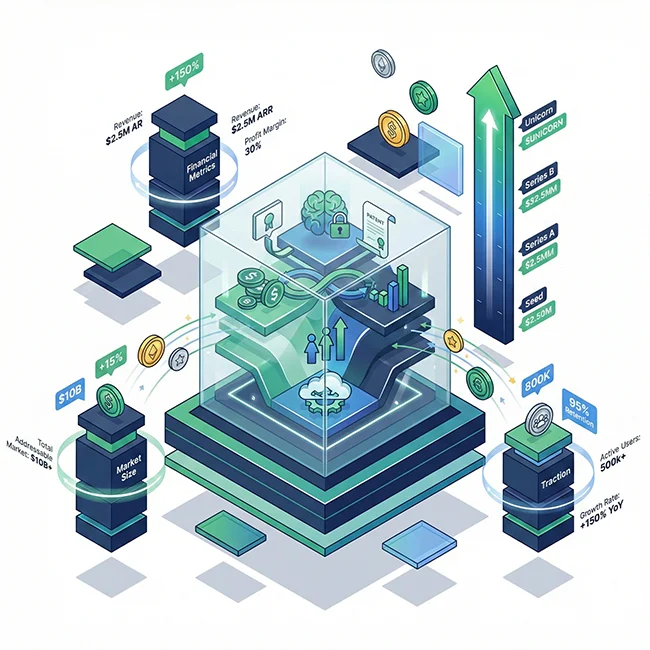
Startup Valuation: How to Value Your Company Before Raising
Startup valuation is one of the most difficult parts of fundraising. Founders want to avoid giving away too much equity. Investors want enough ownership…